

I may be indirectly quoting one of the many people interviewed in Big Star: Nothing Can Hurt Me, but the beginning chords of “September Gurls” make me feel more than most songs or most things in general do. Big Star: Nothing Can Hurt Me is a documentary about the 70s band that despite its name, never really made it big — at least not while all its members were still alive. Big Star has now reached a cult favorite status, at last adored by critics and rock fans. The founding members of Big Star were Chris Bell, Alex Chilton, Jody Stephens, and Andy Hummel. In the early moments of the documentary, Robyn Hitchcock explains, “To me, Big Star was like some letter was posted in 1971 that arrived in 1985. Just like something that got lost in the mail.” And so goes the story of the greatest band that never was.
Nothing Can Hurt Me provides an extensive history of Big Star, which is weaved with the history of Ardent Records and Stax Records, as it seems that at a certain point all would have ceased to exist without the other. John Fry started what later came to be Ardent Records when he was just 16 years old, recording all the local Memphis bands that seemed to pop up after the British Invasion in a very DIY way in his parent’s backyard. Once Ardent made the move to a more established space, it became an essential part in the Memphis music scene, recording small local bands and Stax Records stalwarts like Isaac Hayes. Big Star was one of those smaller bands, and the sessions for their first album, #1 Record, all happened at Ardent late at night. Fry recalls that he never really got to hear any of Big Star’s sessions, but once he finally did, he thought to himself, “If the lyrics are halfway decent, we’ve got something.”
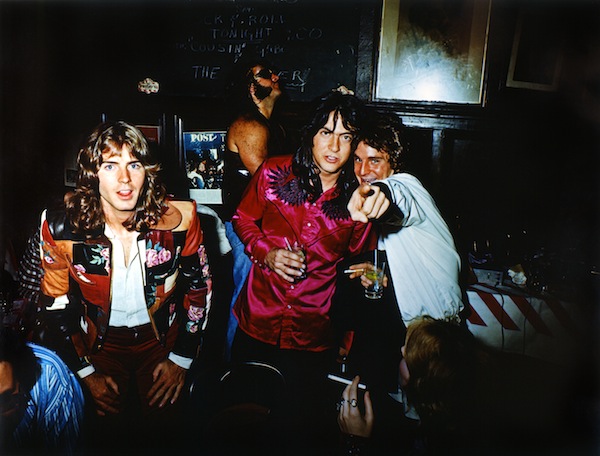
Those lyrics were mostly penned by Chris Bell and Alex Chilton, yet the few people who knew about Big Star seemed to focus on Chilton as the one true talent in the band. Bell apparently read many reviews where this was the case, and living in the shadow of Chilton was not an option for him. This led to an angry Bell heading into the Ardent Studios and erasing the multi-track takes of #1 Record. This was only the beginning of Bell’s troubles: after a suicide attempt, he left the band. The band’s course after these events are perfectly documented by directors Drew DiNicola and Olivia Mori and their team, with an exhaustive timeline focused on the recording and release of their last two albums Radio City and Third/ Sister Lovers, and Chris Bell’s untimely if not foreshadowed death at 27. Nothing Can Hurt Me blends its interviews with friends, fans, and cohorts of the band with beautiful pictures and home movies of the band. It’s a kaleidoscopic representation of the past with colors that Instagram filters envy. There is something nostalgic about it all, but not in the maddening “those were better times” sense of the word––the destructive sadness of the band’s demise is still very much present.
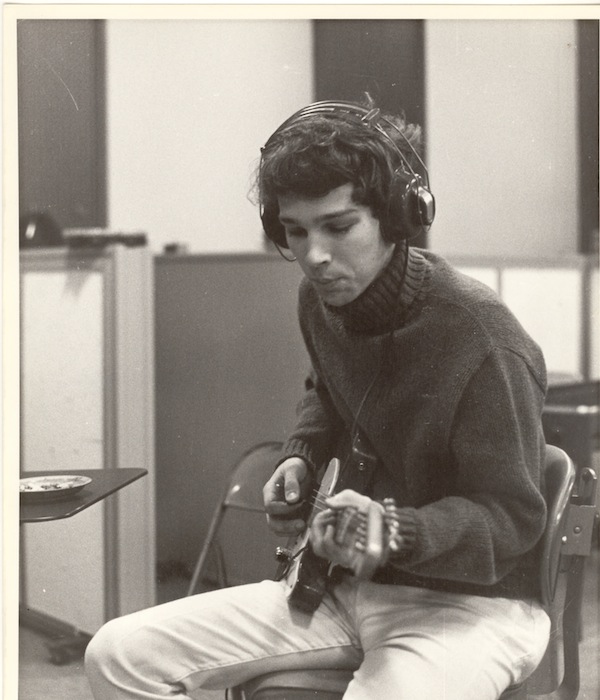
Big Star: Nothing Can Hurt Me, just like the band itself, is almost ironically titled. I say it is ironic because watching it hurts in so many ways. The scenes surrounding Chris Bell’s struggles with releasing a solo record that he never lived to see released, his subsequent death, and his sister (Sara Stewart) breaking down and saying she resented the music are especially rough. In the end, David Bell had to help her finish her thought by saying, “you would rather have him be alive than the music.” Another painful moment comes from hearing that Chilton once said, “my attitude about music is that I could take it or leave it,” even if it was presumably said in a moment of self doubt. The many mentions describing Chilton and Bell as two shooting stars or comets makes the band’s trajectory even more tangibly ephemeral. In the end, Nothing Can Hurt Me brings Big Star to life in all the ways its fans have always loved it for. It doesn’t focus on corny nostalgia or softening the blow––it wraps its longing and sadness around you in a way that most rock documentaries could never achieve.
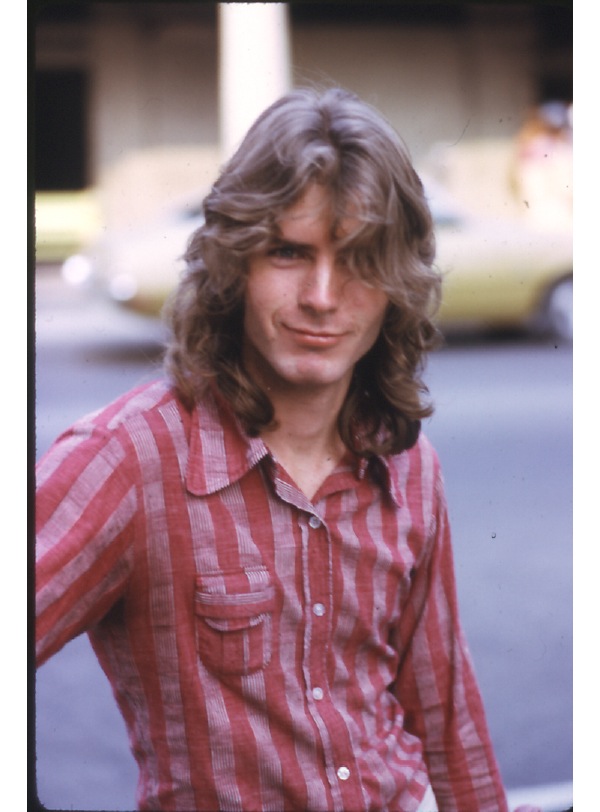
Who Should Watch It: Fans of sharp, intense rock docs like I Am Trying to Break Your Heart: A Film About Wilco.
Who Shouldn’t Watch It: People with short attention spans.

Review by Alex Martinez