
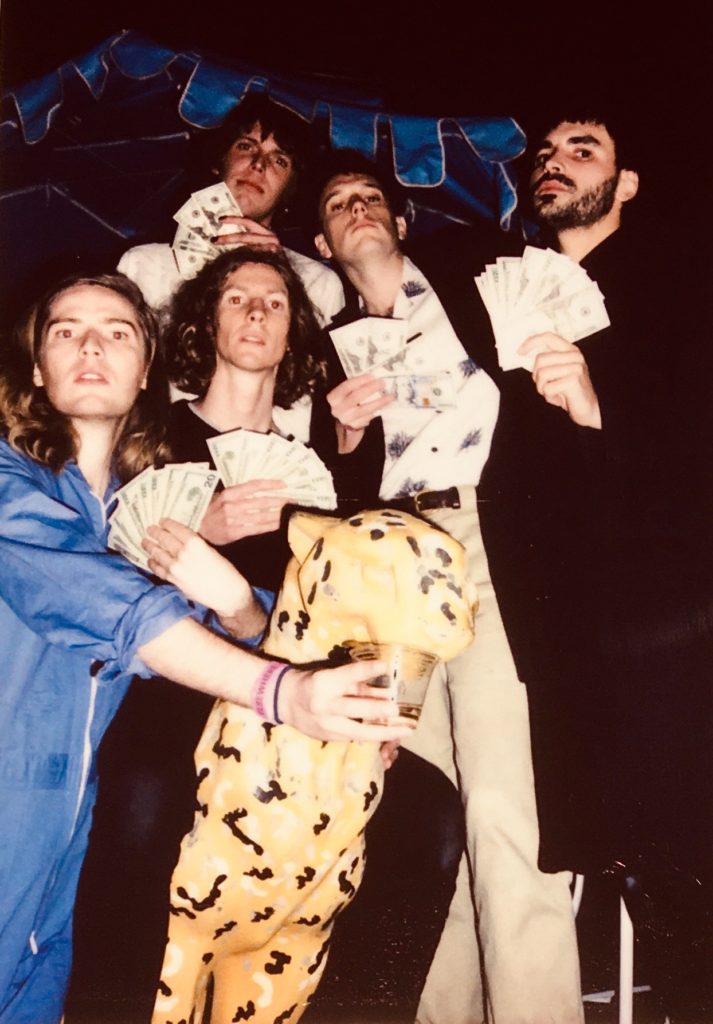
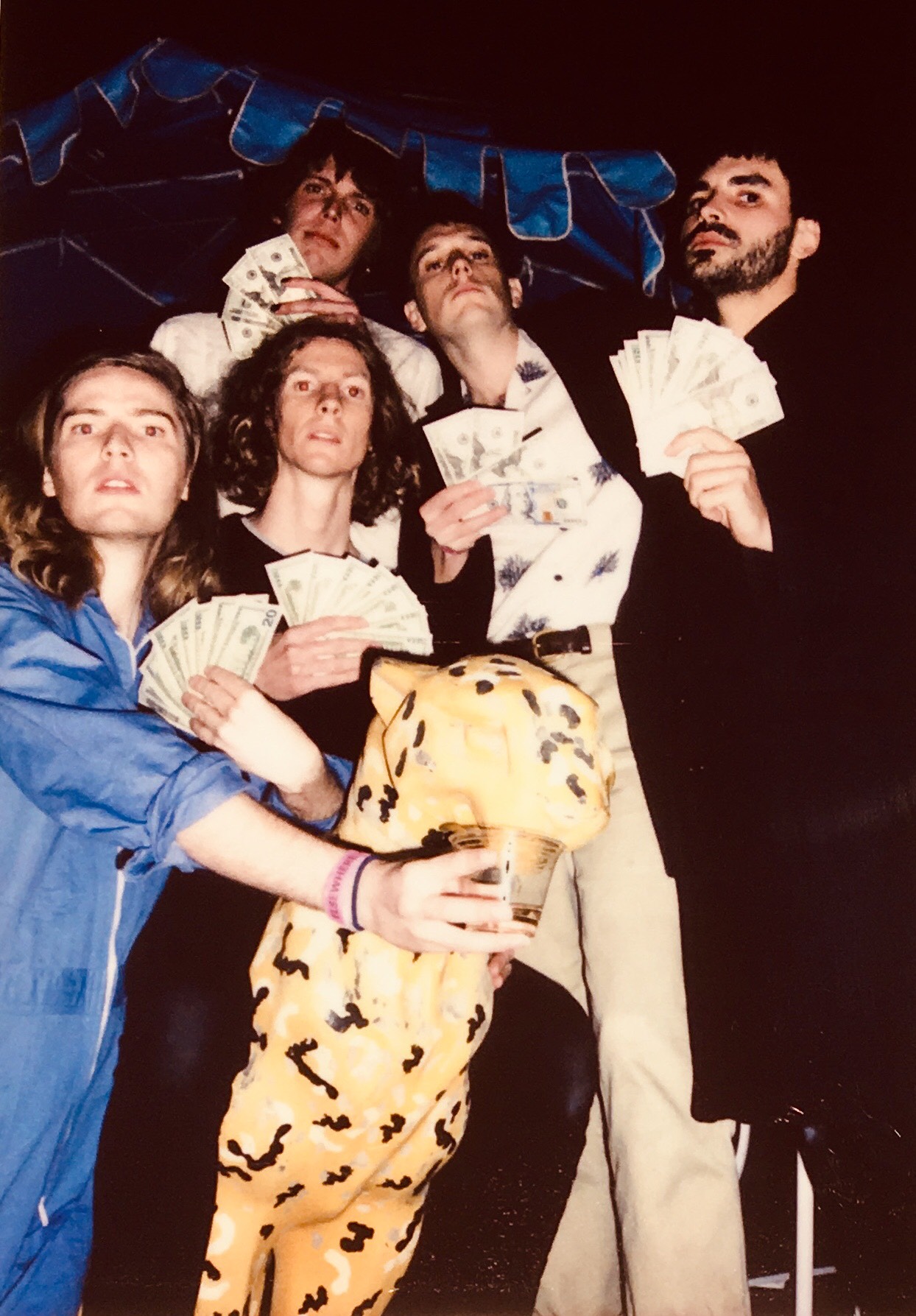
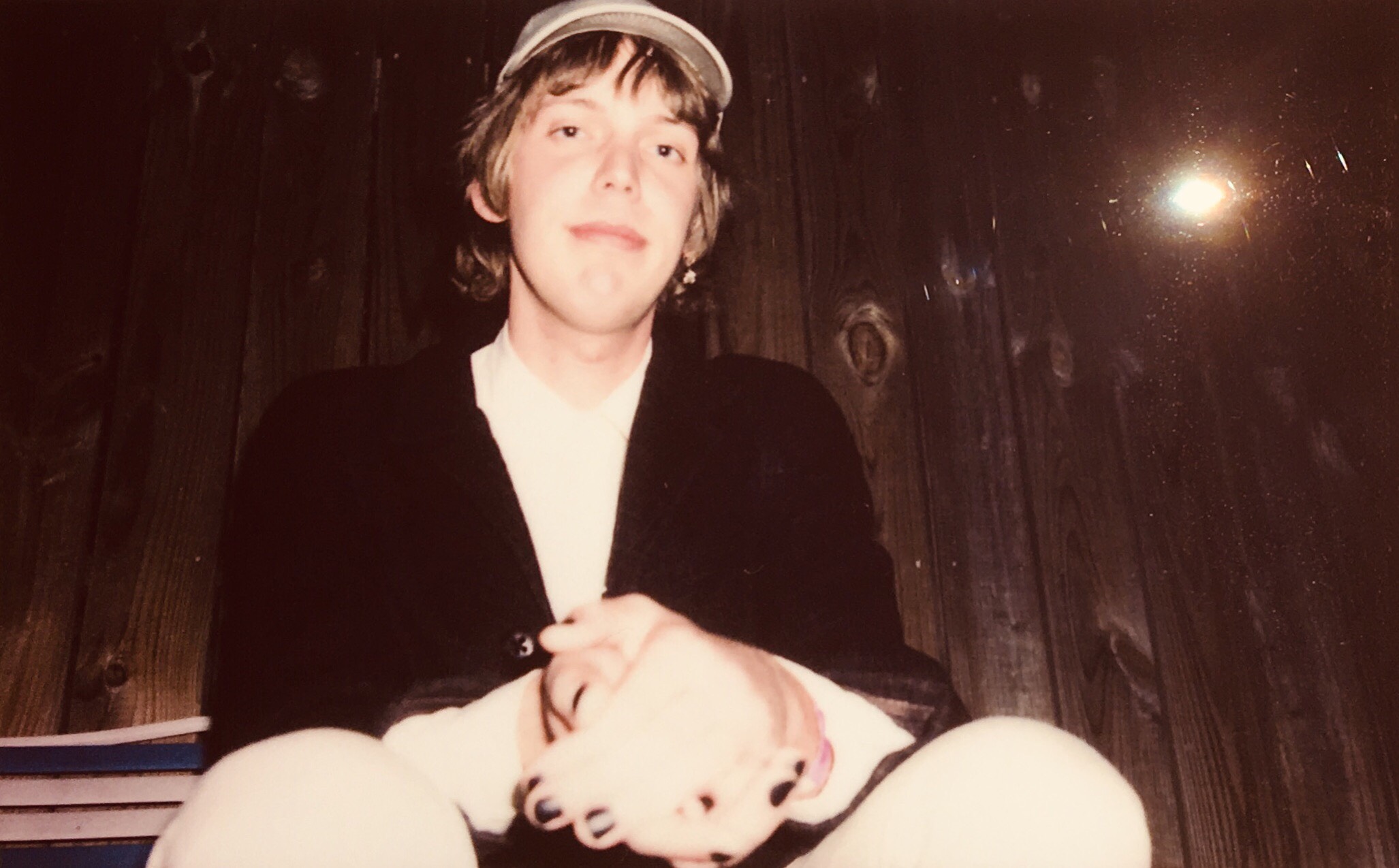
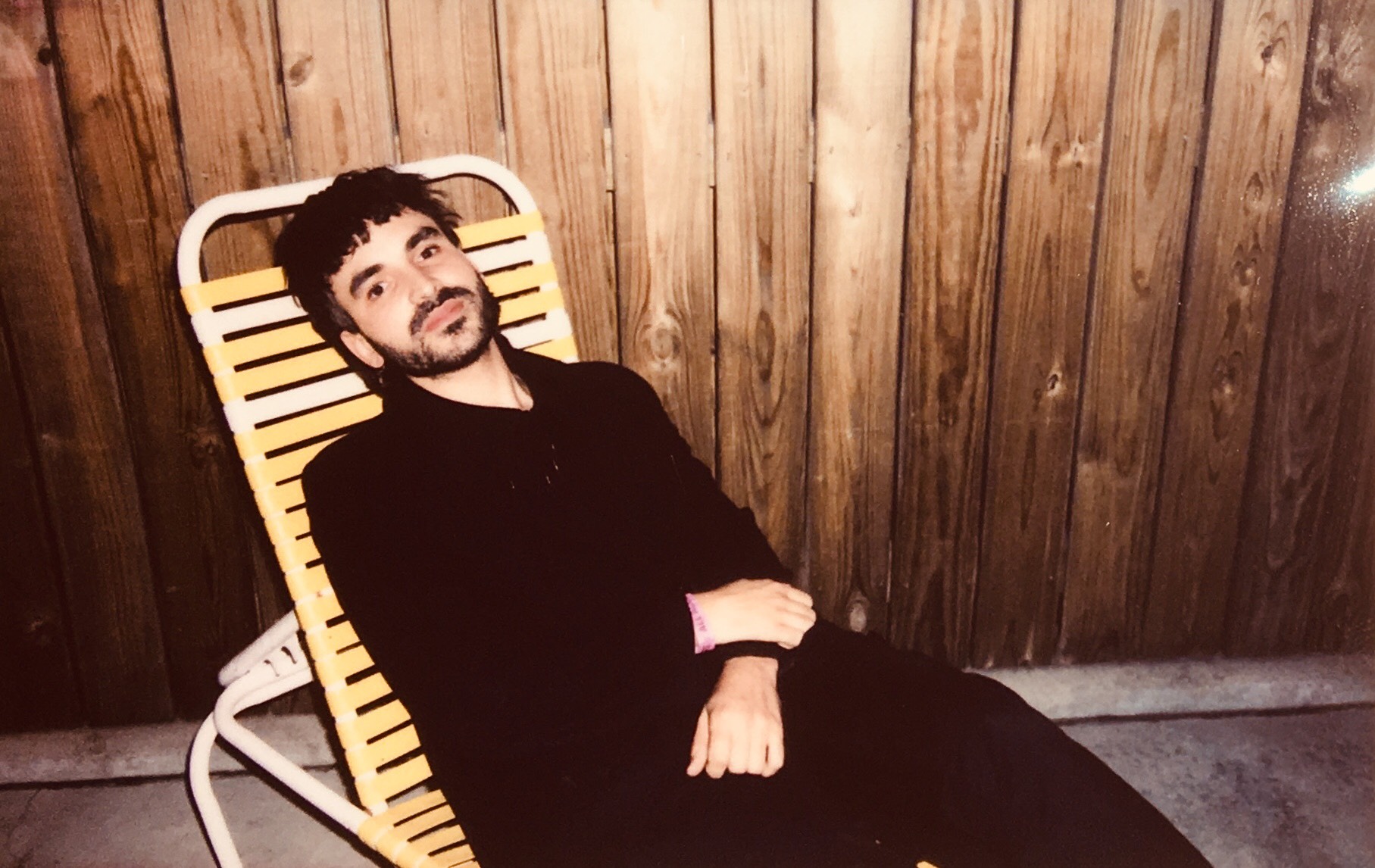
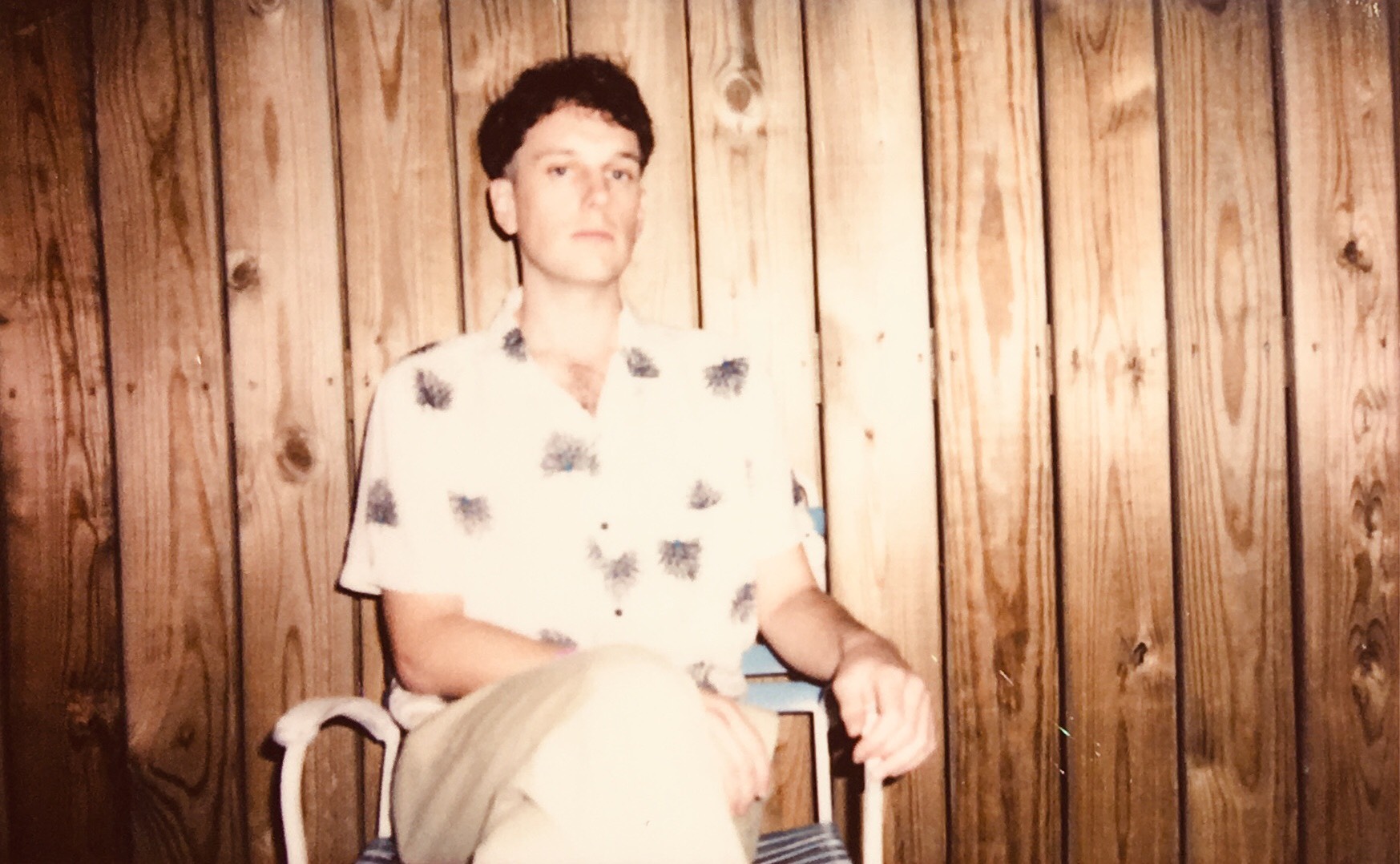
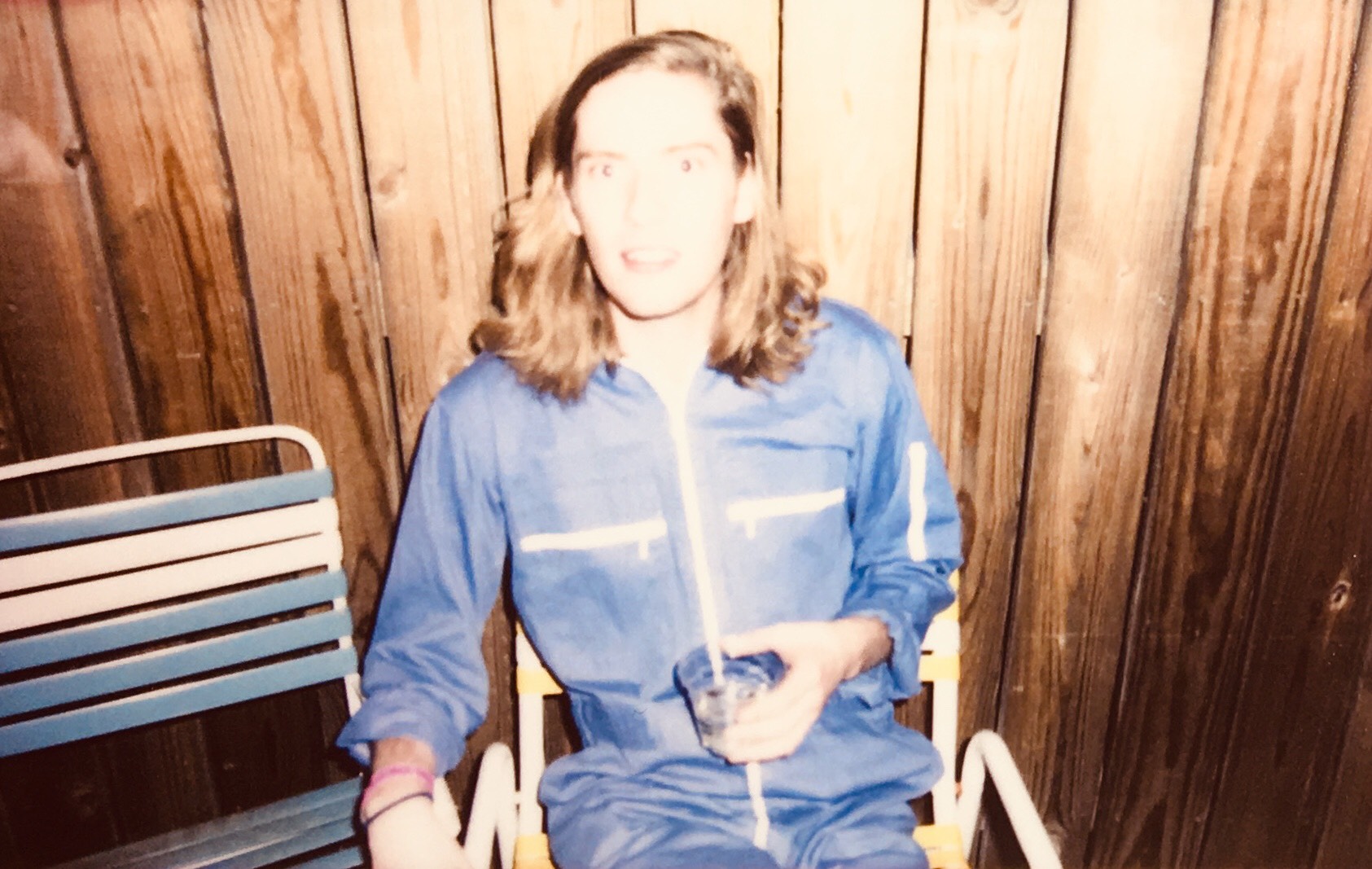
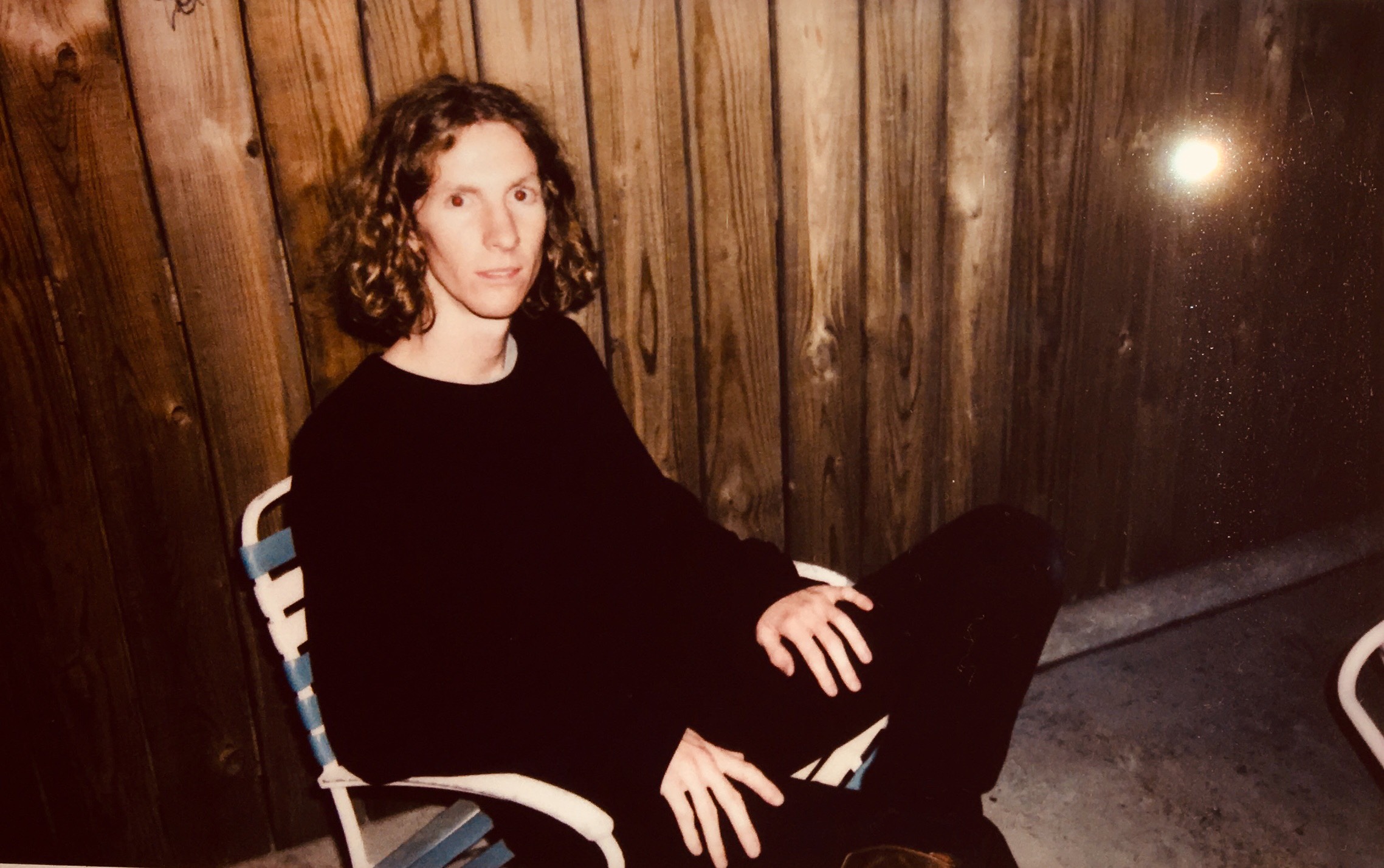
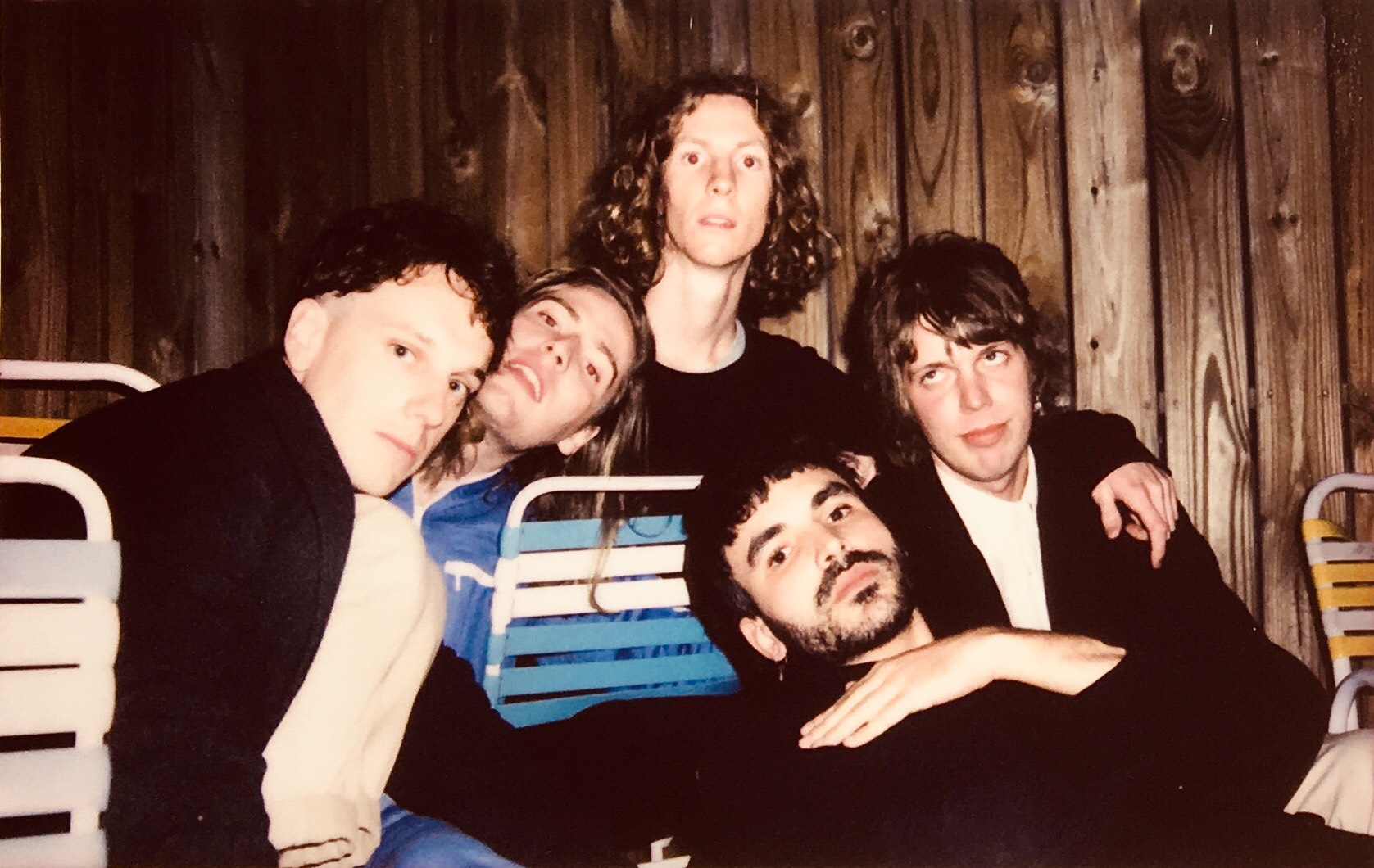
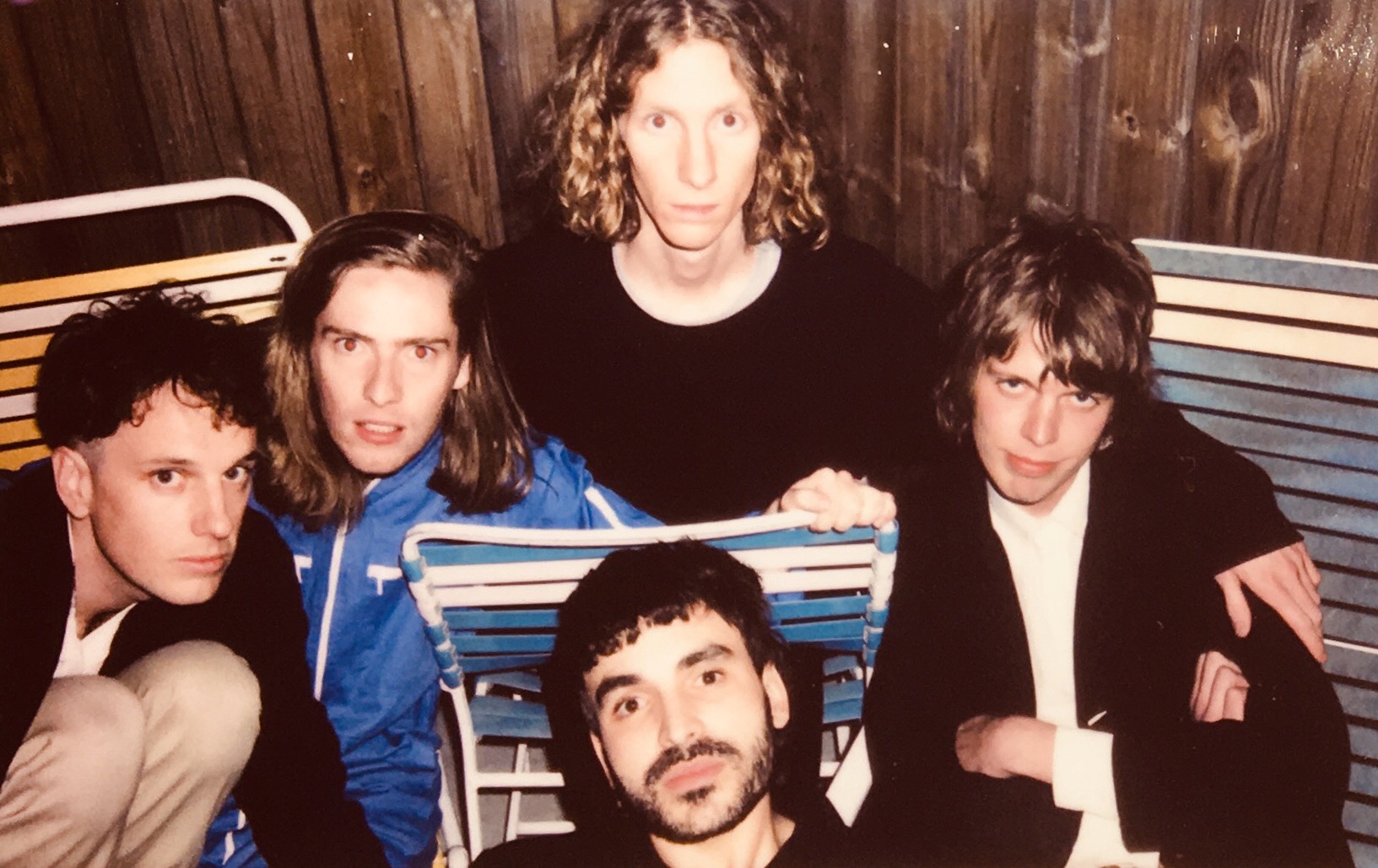
Polaroids by Grace Eire
It’s pretty rare these days to have a band enter the stage and not have them say a single word — or at least so it seems. Especially in today’s social climate, where artists are forced by labels to word vomit all over Instagram stories and spend more time on upping engagement instead of making music. We make it more about the interaction with the band. We want to connect with them, get dibs on knowing about their lives, and essentially become their best friends.
On March 29, when frontman Jake Webb stepped on stage at Elsewhere in Brooklyn with the rest of Methyl Ethel, Thom Stewart, Chris Wright, Jacob Diamond and Lyndon Blue, the audience pretty much sensed that there would be none of that. No playful banter, no anecdotes about the recording process, nada. Just five Aussies ready to play their songs and be on with it. And it was perfect.
The psyche-pop group is a bit of an enigma. We don’t know too much about them, but the thing is that we don’t need to. Their songs are just that good. Any break to talk in between songs would have slowed down the dancing, and anyone who has seen a New York crowd before knows just how rare it is to see any dancing.
Ever since 2016’s On Inhuman Spectacle, Methyl Ethel has been an indie rock band with a bit of a synth-tinged, dance edge. They leaned into that even more with 2017’s Everything is Forgotten, which was chock full of ridiculously infectious, fever dream-esque hits like “Ubu” and “Drink Wine.” They revved that up even more on their latest effort, Triage, which is meant to be sort of the conclusion in a series of three albums. It includes the addictive “Trip The Mains,” a track that makes you feel like you just swallowed a handful of Adderall and stepped into the third club of the night. Paranoia mixed with a bout of ecstasy. “Post-Blue” is another highlight, with a heavy-hitting hook that hits at the perfect, slowed down pace, reverberating from left to right. The dazzling “Hip Horror” complements it well as it returns back to their regular, dance-worthy programming. Slow or fast, though, it’s all surreal and cathartic as hell.
Triage was written and recorded mostly by Webb, as he tucked himself away into seclusion at home in Perth. It proves to be his most reflective work yet, as it brought a sense of closure after the last two records. “Everyone is older, people have moved on. I receive text messages from old friends looking to reconnect,” Webb shared in a press release. “I have a masochistic social complex in so far as I enjoy the company of others, but self-imposed solitude and exile are exciting and useful to me. It’s like method acting, which isn’t too far removed from the emotional memory I see people drawing upon every day. I challenge the idea of friendship and trust. I think because I am untrustworthy. At least I’m honest about that.”
It’s that sense of solitude that strangely makes the music work. The listener feels Webb’s solo journey from the songs, and what comes next is pure magic.
We were lucky enough to ask Webb a few questions about the new album and their current tour, which you can see below.
After teaming up with mega-producer James Ford on the last record, you decided to do things yourself this time. Why did you decide to take that route and how do you think it changed your writing/recording process?
The decision was about trusting my abilities to step out on my own. I’d worked alone before and just wanted to return to that and be able to spend a bit more time pouring over everything.
When and how did you learn how to produce?
I spent many years learning over the shoulder of my friend Brian Mitra, he encouraged me to buy a 4-track tape machine at some stage when he found one for sale for $50. That’s really when I began working alone and learning. I’m still figuring it out to this day.
In a statement, you said you sort of withdrew from the public and chose to be alone. How does this help or challenge you when making music? Wouldn’t you say that human connection is an important part of life, and more specifically that it impacts your music?
I don’t really spend much time around people anyway. But there are always people around. I enjoy working alone, I find it to be productive. The albums I’ve made to date are all about human connection. So, I acknowledge its importance but choose to write alone. I don’t think it’s too uncommon.
What’s it like to share your music with others after working on it alone?
I really enjoy sharing my music. I don’t see it as something made to keep secret, I love showing people, especially if I’m proud of it.
You and your band seem to do… pretty much whatever you want. A lot of artists don’t always have that. What’s it like having a little bit more freedom in an industry where a lot of artists are just working to please the label?
I’m glad it seems that way. We’re lucky to be surrounded by a really supportive team. 4AD, in particular, are really encouraging of creativity. That isn’t to say that everything is a green light but we certainly haven’t had a bumpy ride so far.
‘Trip The Mains’ is one hell of a track. How did that one happen in particular?
A warm afternoon in my studio about 2.30 pm I was messing around with the pitch wheel on my Prophet-6 and the song kind of just came out really, really quickly. It sounds cliched but when that happens I just try to roll with it.
Which song on Triage challenged you the most?
Probably ‘Hip Horror’, I’d been trying to make it work for so long and almost gave up but a new groove made it what you hear today.
What was the highlight of making this record?
Mixing it with Marta Salogni. The friendship we’ve made in many ways is bigger than the album.
You’re on tour. Which song out of your entire catalog are you most excited to perform live? Why?
At the moment, ‘Post-Blue’. Only because it’s the newest addition to our setlist and I’m all about new things.
You’ve said this is the “closure” album. If this is closure, then what’s next?
Who knows? I’m cooking something up.
Triage is out now and you can catch the band on tour — dates here.