Words by Sophie Abeles. Photos by Tosin Popoola & Matthew Schonfeld.
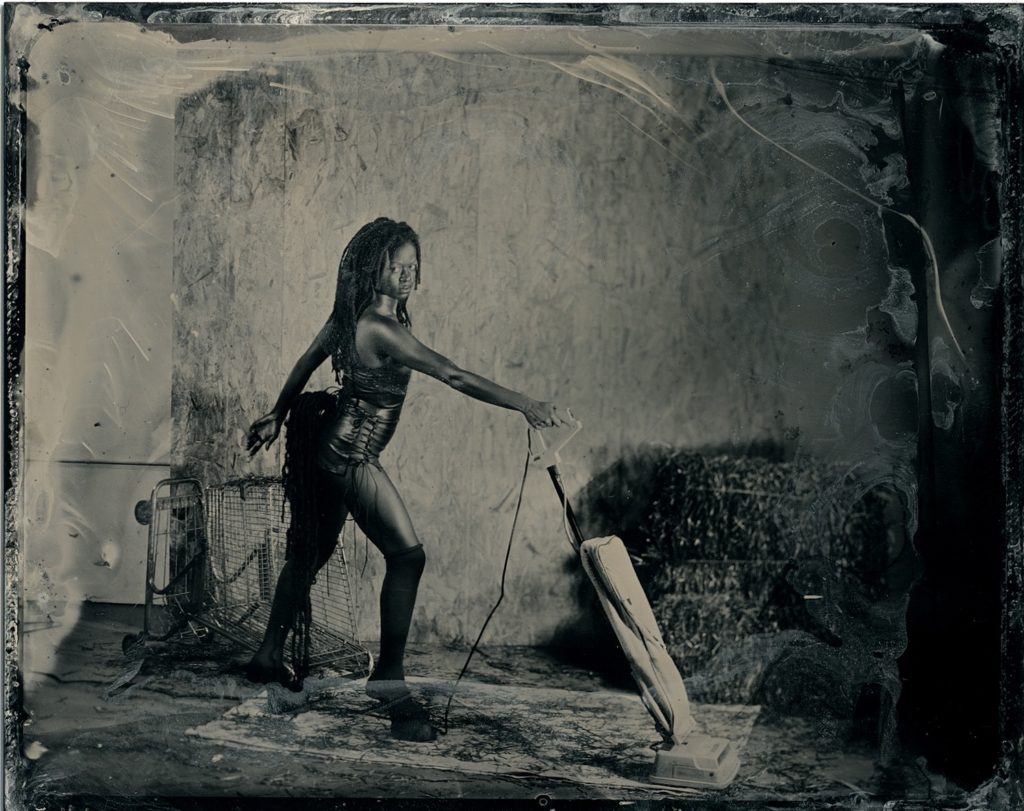
Self-assured and exceedingly creative, Cleo Reed is an artist worth watching. They were raised with transient roots, having lived in D.C. and New York among other places. And yet, from a young age, their artistic interests took up permanent residence within them. Moving between sculpture, performance art, costume design and music, they create with purpose, using art as a vehicle to translate their social activism and understanding of the world around them. Singing was Cleo’s first language – before they spoke, they made melodies. Our conversation takes place on a cloudy, humid afternoon in late April via video chat. After exchanging pleasantries, we realize we live just down the road from one another and lament not having met in person. Cleo sways in a tri-colored hammock in their backyard, over-the-ear headphones like bookends on either side of their face, which is calm and serious. Throughout our conversation, I am reminded of a Banksy quote: “Art should comfort the disturbed and disturb the comfortable.” After processing my time with Cleo, these words are both reaffirmed and reimagined. Cleo’s artistry exists on the borderline of active resistance and boundless gratitude – a freedom that, to me, is experienced only when we hand over control to our art, breathing life into it and by proxy, into the communities we care about.
SA: Where’d you grow up?
CR: All over the U.S. really. I spent significant time during my childhood in D.C. and then also in New York, in Harlem and Washington Heights.
SA: Very cool. I grew up in Maryland, so not too far from D.C. You just finished up a residency at Recess Art in Brooklyn. What was that experience like for you?
CR: It [was] really rewarding. I was working in residence with a youth group called Assembly, supporting them with different projects. It was also the first installation I’ve ever done. We did all these fun events focused on labor, questioning labor, thinking about the working class and how we understand these concepts through sculpture, filmmaking, and music. It was great.
SA: Wow. So in addition to music, what other art forms are you practicing?
CR: For the installation, I made sculptures. I commissioned other artists to work with me and I’ve made costumes for shows. I also do performance art.
SA: Ok, so definitely a multidisciplinary artist. What material do you work with when you sculpt?
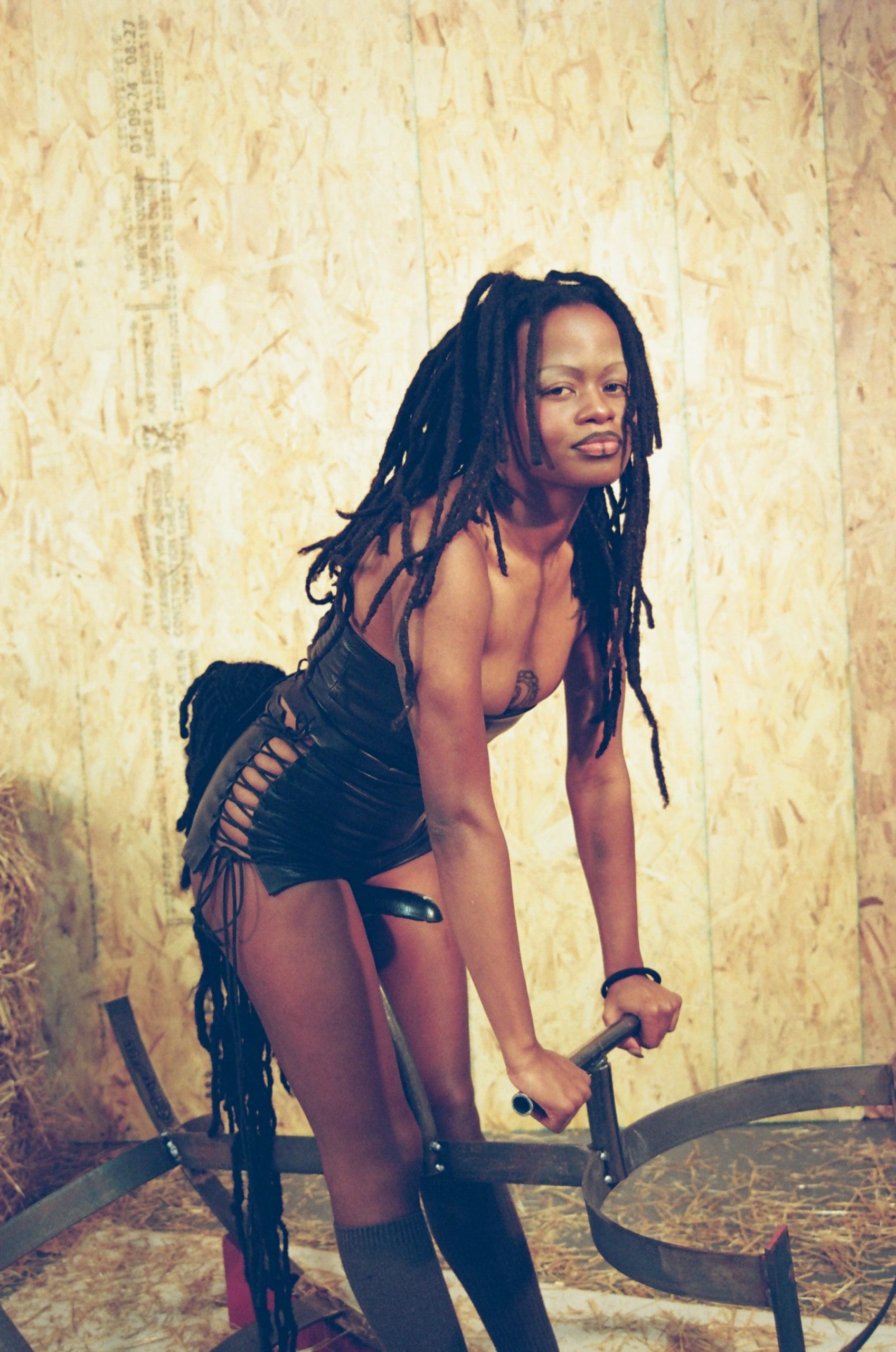
CR: Working with found materials sometimes. As an example of something I’ve made, I worked with this artist named Free Tripp and we made a full-sized rocking horse – one that can be ridden by a person.
SA: Woah. And going back to what you mentioned about your work with Assembly – does most of your art center or rather question how we understand labor as a society?
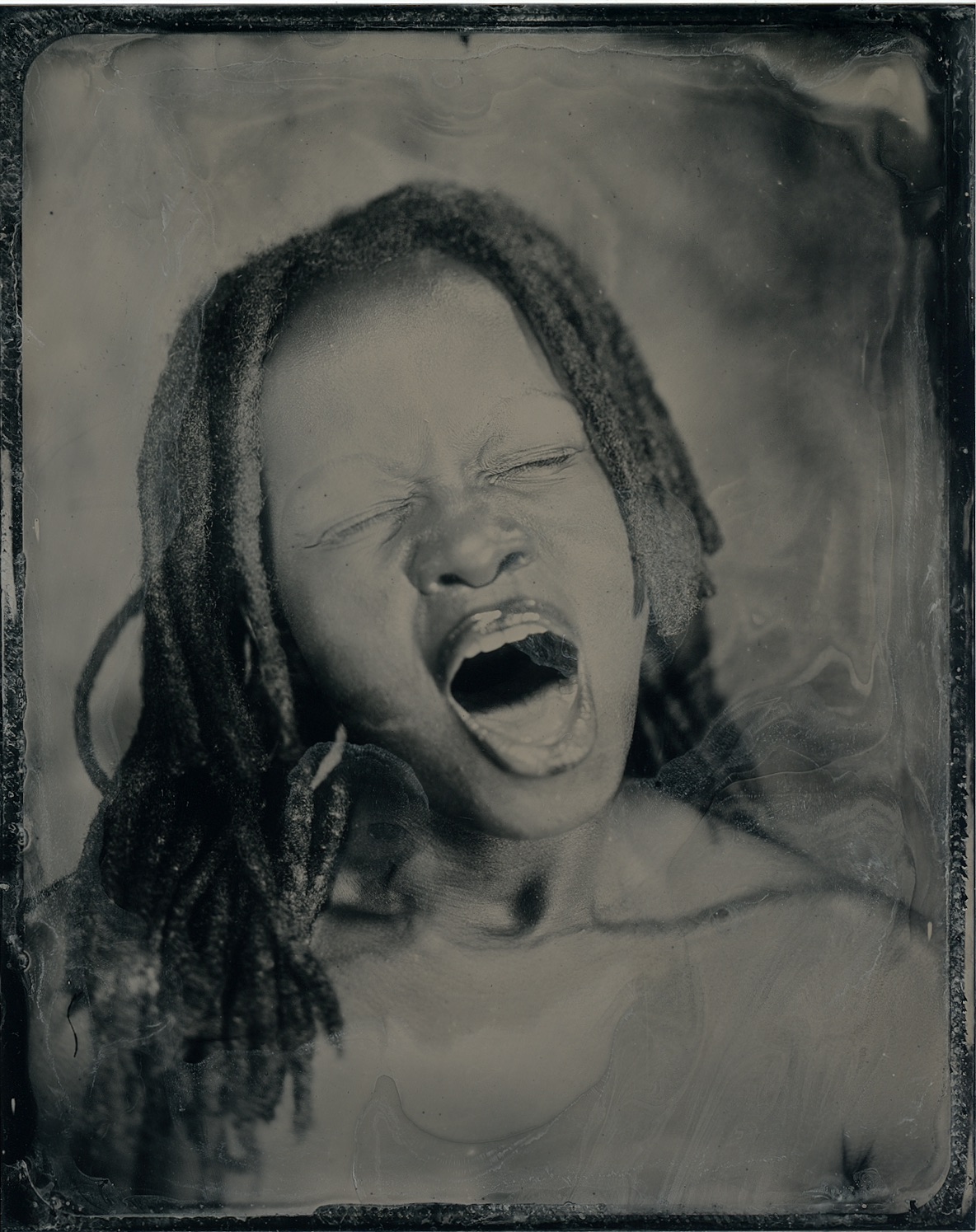
CR: Yeah. That’s what I’m working on now. I just put out a song called “Women At War” and it’s about labor and the body, how I consider those things, and the kind of work I do with Artists Against Apartheid, Recess, and Abrons Arts Center.
SA: I recently listened to “Women At War” and really enjoyed it. Was there a particular moment that sparked the idea for the song?
CR: I was in my solitude, in residency on Fishers Island off the coast of Long Island and the words “Women At War” came to mind, and later that day, I wrote the song.
SA: Do you prefer to write in solitude or do you often create with others?
CR: Both. I go to a lot of jam sessions and am in a lot of DIY spaces. I also go to recording studios to make commercial music.
SA: Working across various mediums, is there one art discipline you prefer most?
CR: I think it’s music. Music was my first artistic language.
SA: Did you grow up surrounded by musicians?
CR: I think everyone’s an artist in some way.
SA: True. Can you remember the first song or album that blew you away?
CR: No, but I do remember my Mom saying that I loved “Nutbush City Limits” by Ike & Tina Turner.
SA: Nice, that sounds like a good place to start. And remind me, did you go to school for music?
CR: I did, I had the privilege of going to school at Berklee College to study Sound Design. I also studied abroad in Valencia in Spain.
SA: Did it alter your brain chemistry seeing how people live and treat the idea of labor in Europe? I think they’re much more relaxed about work culture over there.
CR: I definitely realized how difficult it is in the U.S. to have my basic needs met. There’s a lot of growing to be done in the realm of universal basic income and meeting human needs.
SA: Agreed. I also wanted to ask you about your Instagram bio: ‘subverting the yeehaw agenda.’ Can you expand on what that means to you?
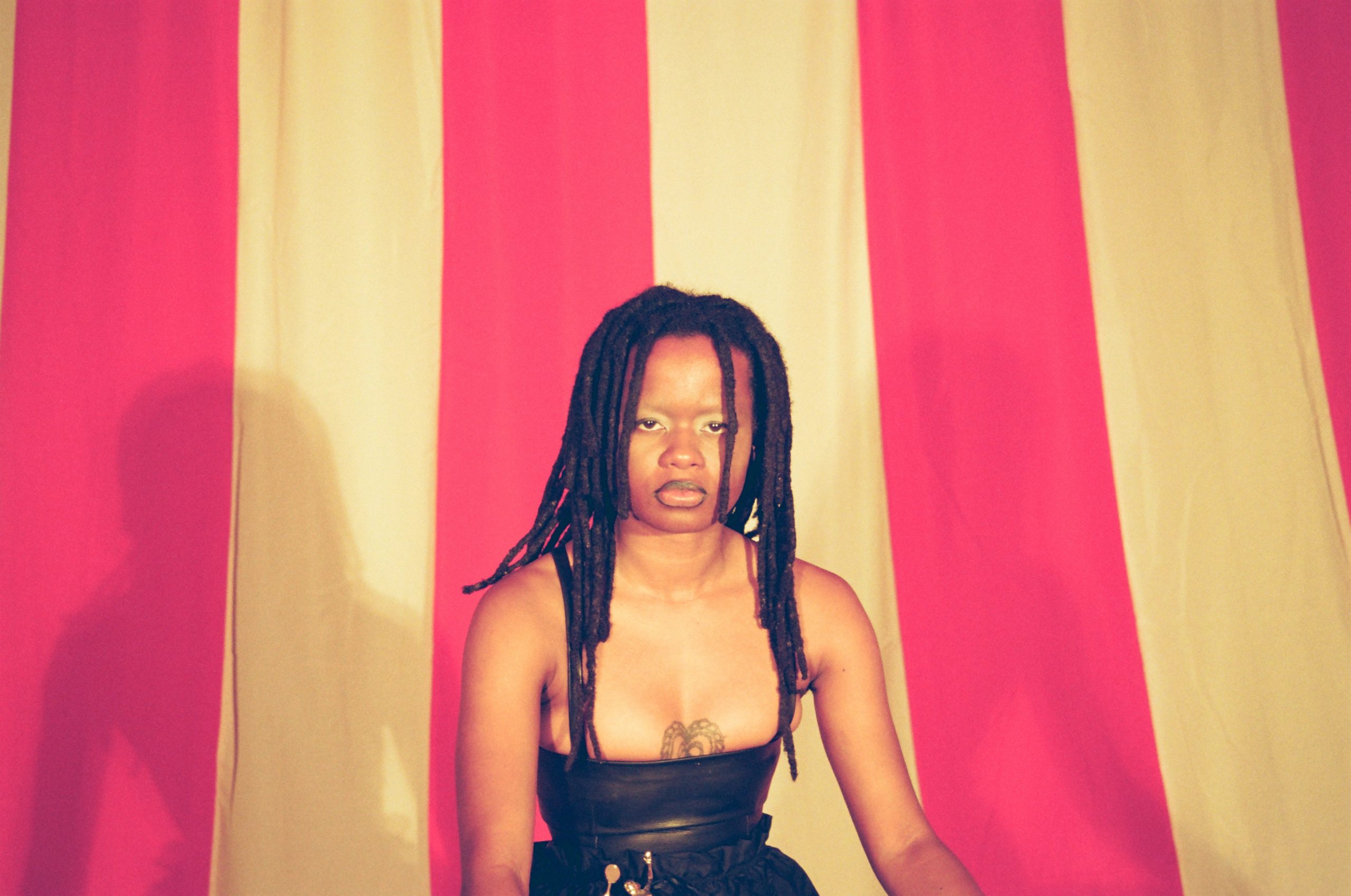
CR: That’s funny. It’s kind of silly, but also not – I saw a comment under a Black Line Dancing video talking about the “yeehaw agenda” as an interesting ideology. The music I’m about to roll out over the next few months was created with the intention of bringing people together and helping them understand and question their circumstances. I think of the yeehaw agenda as the agenda we’ve been given and the information we’re consuming. There’s something really jovial about making great work and great art, and I also know that the best work makes people either super comfortable or super uncomfortable. So I think I’m walking that line in subverting the yeehaw agenda.
SA: Yeah, absolutely. Some of my favorite artists are committed to pushing boundaries and playing with nuanced emotions in their music. I haven’t even asked you – what instruments do you play?
CR: I play several. And I produce all my music as well.
SA: When you write, are you writing with an instrument in hand?
CR: Sometimes. Sometimes I write on guitar, but I’m pretty flexible. I grew up playing classical percussion for ten years and then moved on … joined a hardcore band called Pretty Sick that’s still around. I stopped doing that and went to school to learn how to make instrumentals and create from ground zero. I treat my studio like a playground and use every songwriting opportunity as an opportunity for play. I don’t really have a routine.
SA: How do you find the current music scene in New York? Do you feel supported and like you have a community?
CR: Yeah, some of my favorite artists are my friends. Kyle Kidd, Elliott Skinner, Momo Boyd, Smith Taylor and Jacob Boarman. Those are my friends who I talk to on a regular basis who help me understand that I’m doing the right thing by choosing to do this every day. There are tons of artists, not just musicians, who are making different kinds of art in the city, too.
SA: Do you ever feel the need to not be talking about music?
CR: If I’m getting bored of talking about music, I’ll just do something else. I love my friends and I think if people want to make music and talk about music every day for the rest of their lives, that’s a beautiful thing. I do think it’s healthy to diversify your conversations – I enjoy talking to people who work in worlds outside of music. Talking about something that is more contrasted feels fulfilling.
SA: What’s coming up next for you? Anything we should look out for?
CR: Putting out a lot more music and films. I’m going to refocus on my work at Abrons Arts Center, where I’m completing a performance residency, working on a play that will come out in 2026.
SA: That’s exciting. Anything you can share about the play right now?
CR: Not yet!
SA: Cleo, so nice to meet you and thank you for the time.
CR: Thank you.
Follow Cleo Reed’s journey on IG. Listen to their recent releases “Women At War” and “Always The Horse, Never The Jockey” out now.