Photos by Daniel Topete
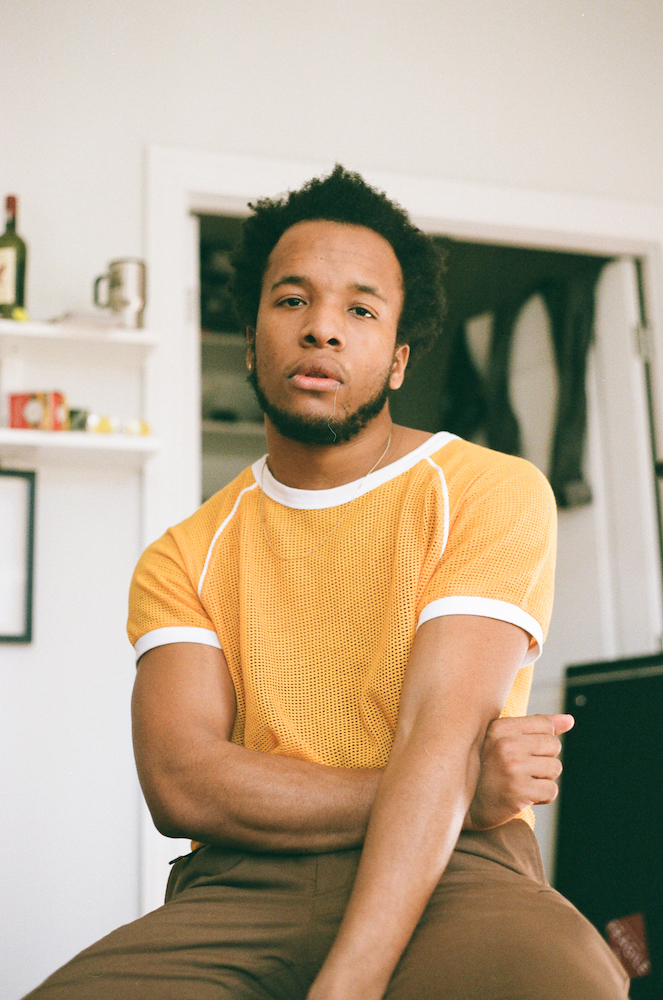
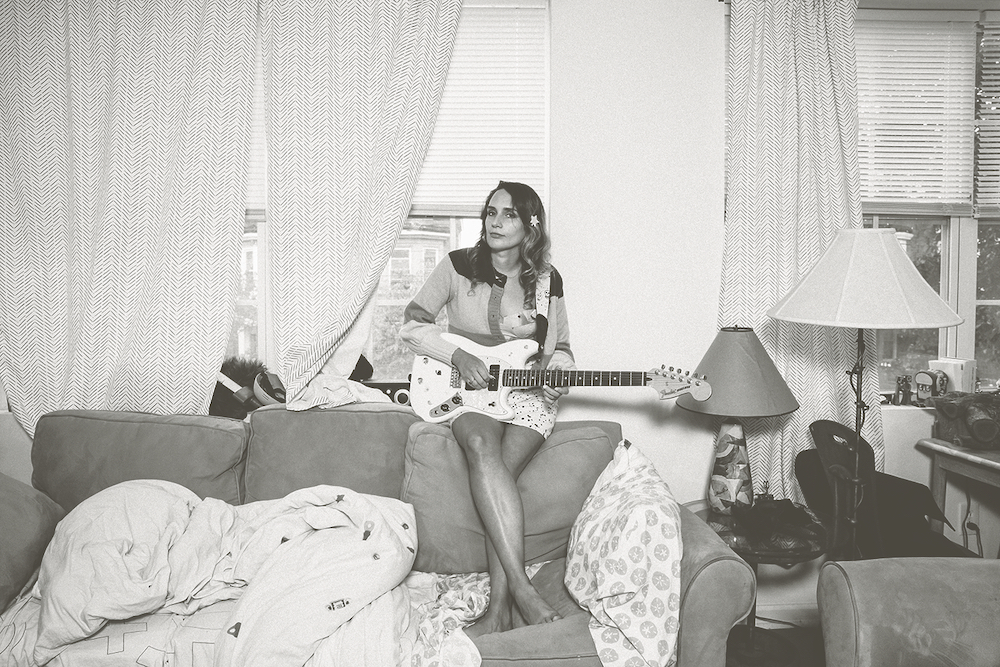
If you keep up with the New York music scene or any of the best established or up-and-coming rock and punk leaning artists, you’re probably familiar with Daniel Topete’s work. From capturing everything from the most wild moments onstage and in the crowd, to sharing the more intimate scenes from backstage, Topete’s photography is a form of escapism in itself. You might not have been at the show or in the van or at the lake house, but it feels like you were. While venues have been shut down and touring and live music have become a distant memory, many artists are using this time period to work on their recorded music in the temporary absence of the live experience. For some, this means trying their hand at self-recording for the very first time. Prior to this change in culture and process, Topete had been documenting various artists in their home recording setups for the new (and very timely) book Mirror Sound which takes a look at the self-recording process, setup, and music made from artists such as Sharon Van Eten, Ty Segall, Cautious Clay, Emitt Rhodes, and many more. Daniel shared with us some insight on how the book came together, shoot highlights, and a little bit about his transition from living in New York to finding a new home in Los Angeles.
When did you start working on this project? How did its conception come about?
Spencer and Lawrence had been working on the idea with Prestel (the publisher) for a while. Some time in 2018 Spencer asked me to collaborate as the photographer — I was honored to be trusted with a project that was clearly so important to both he and Lawrence. We started shooting in late 2019.
What was the highlight of working on this project? Was there a specific day or artist you really enjoyed shooting?
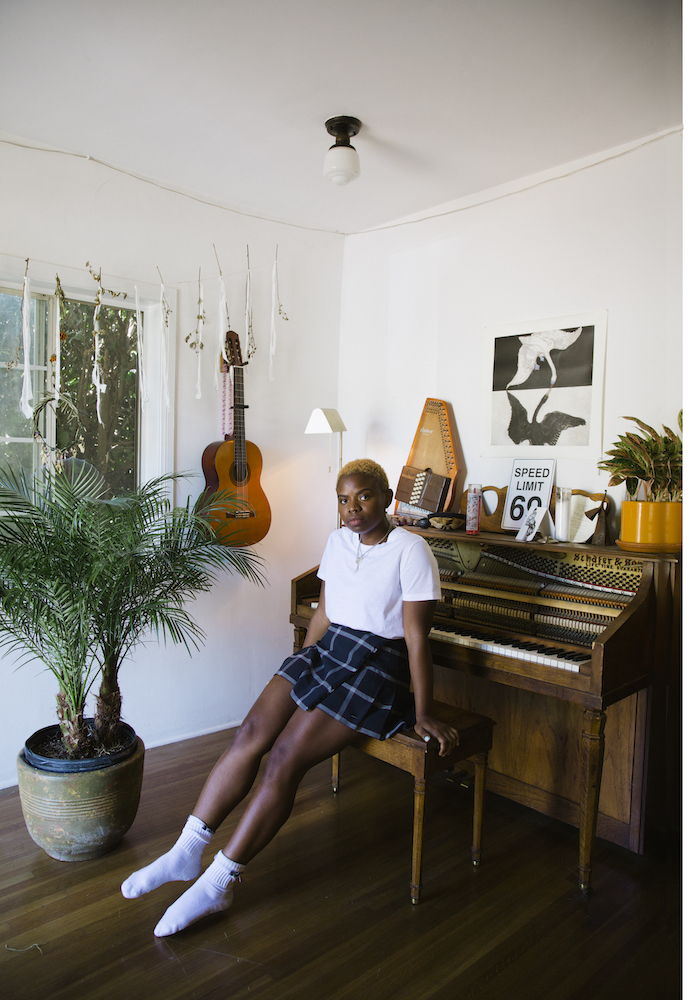
Really hard for me to say because everyone was so great to work with in a different way. Vagabon was a special one because I had moved to Los Angeles the day before, and not only was she my first LA shoot, but she was the first person I met at all as an LA resident. She was so inviting and comfortable in her space and made my job so easy (the light was also great). The whole shoot just gave me a really good feeling about LA. Another of the highlights was getting to see Emitt Rhodes’ studio space — he hadn’t shown anyone in 20 years or so. It felt very special at the time and the photos feel even more important now with him passing.
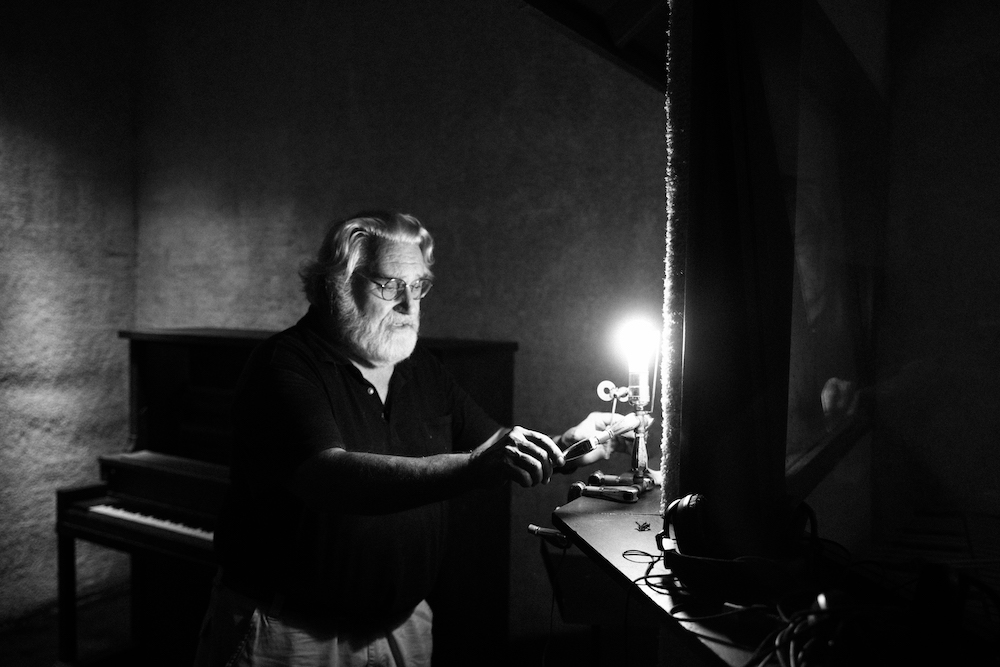
Did you go into working on this with any ideas about the self-recording process that proved to be wrong? What was the most surprising thing you encountered?
I admittedly did not know much about the process before we started. I think I had an image in my head of a simple home recording studio, but this project showed me the variety of ways that artists approach self-recording — the book shows everything from a full blown studio to a keyboard plugged into a laptop on the kitchen table.
Most surprisingly, I saw how aligned self-recording and film photography are. They are two analog processes, they are slower, there are limitations but they push you and the results are ultimately more special. I don’t know if that makes sense, but I could really relate to each artists’ love of what they were doing.
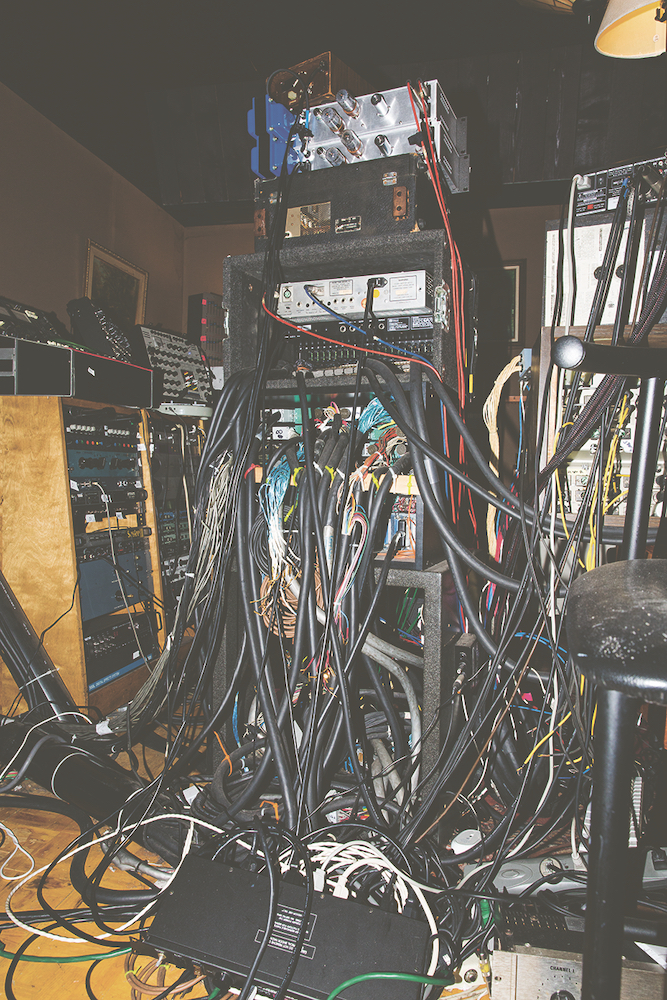
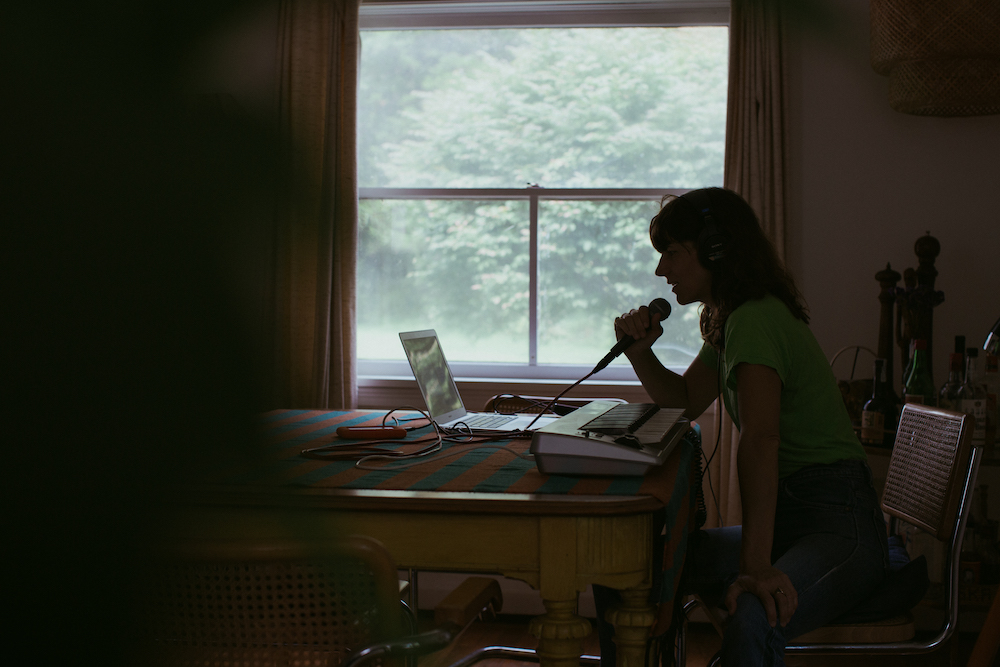
The process of creating this book seems to almost replicate the process you were documenting in its collaborative nature, but ultimate sense of cohesion. Did you feel like that was the case while you were making it or in retrospect?
I don’t know if our concept was completely thought out, but I think that allowed us to find our perspective. Everytime I shot I was learning what I could do to broaden what the book was about and I think it was the same for Spencer.
Did the process of documenting this differ greatly from other documentary projects you’ve done? It seems that usually you’re on the road, at venues, or in studio, so what was it like to document more personal spaces and focus specifically on a specialized process like self-recording?
It was actually pretty similar to what I usually do — I like to start as many shoots as possible in an artists’ home, because there’s a level of comfort and familiarity. Even when I’m on the road, or shooting in a venue, my favourite shots are those captured in the more intimate spaces — in a green room, in the van. Finding personal moments that others don’t always get to see.
For Mirror Sound, I took the same approach I always do — I showed up with a loose idea of what I was getting into and then figured out the light, the space and how I wanted to tell the story. You can only plan so much before something gets stale. Or maybe I’m just a terrible planner
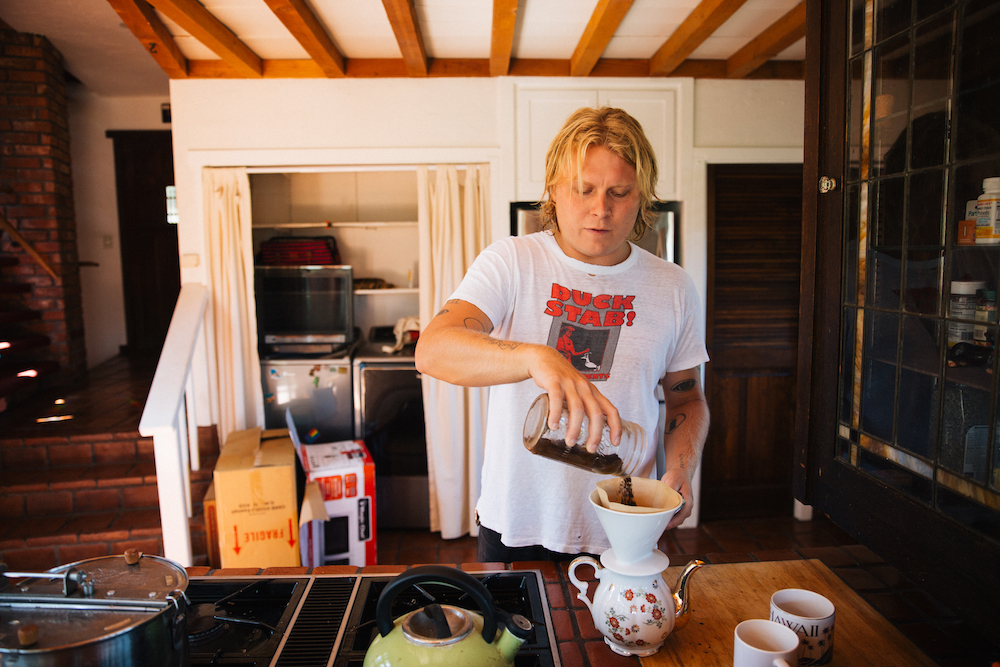
Since live music has been on pause, how has that affected you creatively? What have you turned to in the interim?
I’ve had ups and downs with staying motivated. I’ve had a few shoots, I’ve been working on some personal projects. Some days I don’t want to look at my photos at all. I’ve started to put my creative energy into all kinds of stuff. I started doing stained glass. I built a table. It’s been a weird year
I know you’ve been in LA for the past few months (past year?) after living in New York — what’s been the biggest change in your work or life since making that move?
One year! This isn’t really a great year to experience a new city so it’s hard to compare. I’m excited to find new bands and scenes here once everything gets back on track.
Keep up with Daniel on Instagram and order Mirror Sound here