

Three years and counting and we still can’t quite escape the shadow of Game of Thrones. Every fantasy series and film inevitably finds its comparison in the ultimately disappointing HBO show. Critical soundbites proclaiming a brand new series “the next Game of Thrones!”, “better than Game of Thrones!” or “not as good as Game of Thrones…” are now an expected hurdle for any Fantasy show (or book) to jump. Well, I guess I’m no different because here I go: Netflix’s Shadow & Bone is nothing like Game of Thrones… and that’s a good thing.
The fantasy genre’s persistent issues with representation are made all the more absurd by the fact that, logically, if you are setting your story in a world that doesn’t exist, where magic and monsters roam, why wouldn’t you populate it with people of all races, genders and sexuality? Is a dragon really more believable than an Asian main character? Are LGBTQ people harder for audiences to accept than people that can turn into animals? Based on the critical and audience reception of Shadow & Bone, these answer to both of these questions is a resounding “no”.
Shadow & Bone began as a series of three novels, centering on a girl named Alina Starkov. Alina has a rare power to summon light, the only thing that can banish the shadow fold, a desert filled with darkness and terrifying creatures which split the fictional country of Ravka in two. The character of Alina in the novels is white, as is her love interest Mal, as is her rival Zoya and the majority of characters in the novel. The spin off novel, Six of Crows are a vast improvement in terms of diversity, including a disabled character, a black character and an Indian character. Shadow & Bone, the television adaptation combines these two series into one.
Many readers of the series, myself included were nervous about the adaptation. Most adaptations lose something in the process, especially where fantasy is concerned. Bringing an entire universe to life in a way that still maintains audience interest is a tricky game and fans can be incredibly protective of their fandom. But the quality of the show wasn’t the only fear. When casting was announced and fans were told they would be given an Asian Alina Starkov, a mixed race Mal, and an Indian Zoya, many readers were thrilled. But as has been evidenced, particularly in the Star Wars films, diversity isn’t welcomed by everyone.
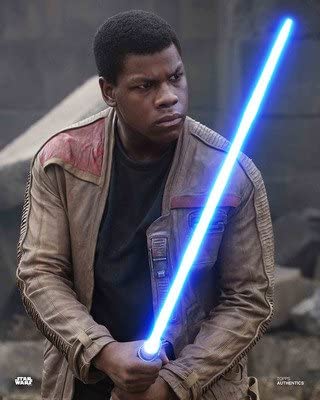
That is why the overwhelmingly positive response to the show’s premiere was such a relief. The fantasy genre is one that has resisted progressive change and much of that is due to how often a diverse casting will be met with audience criticism. Unfortunately there are times when even though an actor of color will be cast, they will be shoved to the side or written in a way that is inherently disrespectful. When John Boyega was cast as Finn in Star Wars, he was originally framed as the main character, a hugely groundbreaking decision for a film series that got its start in the 70’s. However, Finn’s storyline ended up being dropped in order to focus on that of a white woman. When his character was given screen time, he was often shown fawning over Rey, or being put in embarrassing situations such as when in the second movie he is publicly naked after having been brutally injured.
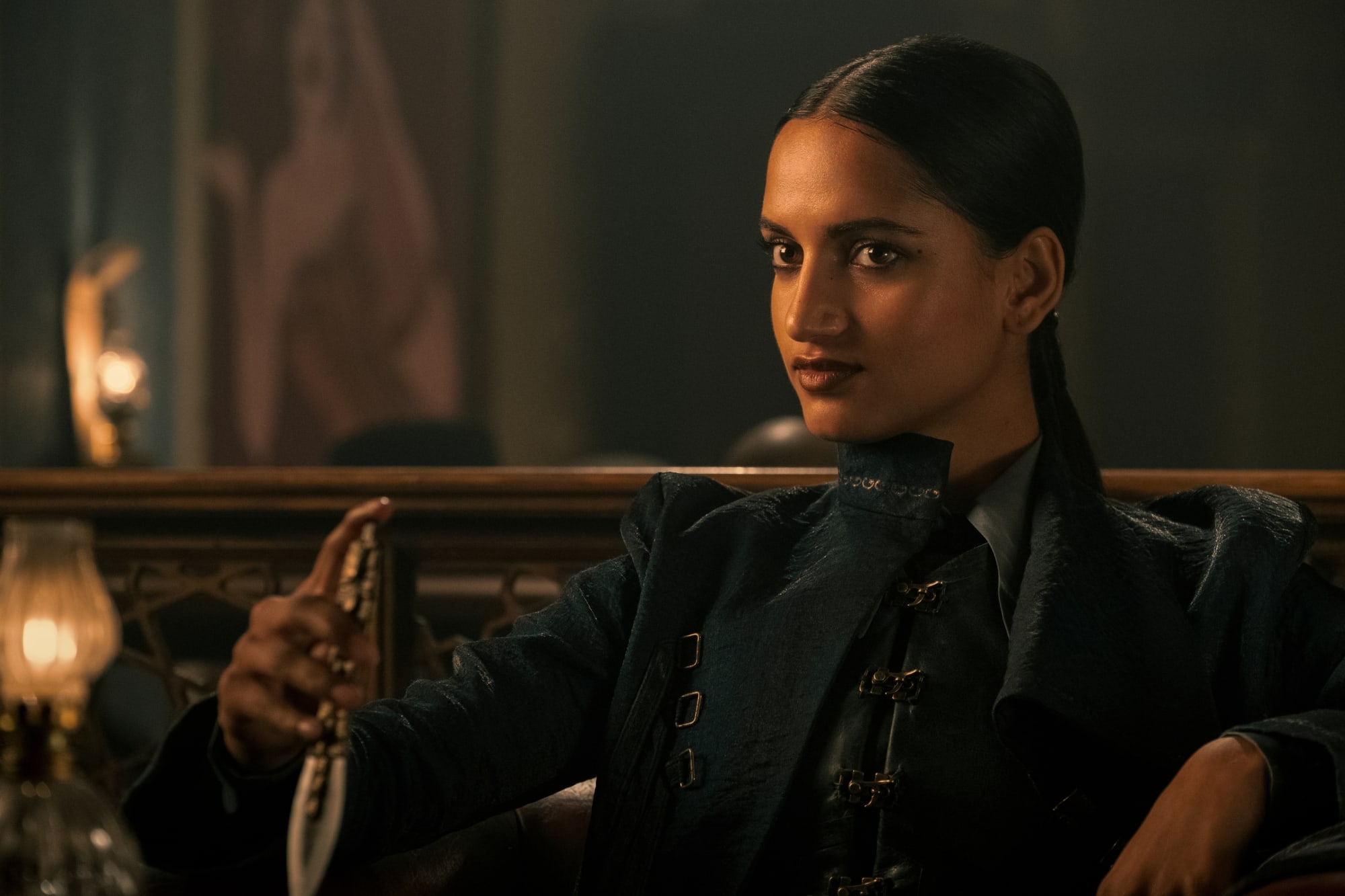
The characters in Shadow & Bone are not only treated with respect, they are given character depth and exciting, heroic stories. Alina’s status as Shu, the fantasy version of Asian, is acknowledged, as well as given weight and context in the story. Being mixed race comes with its own difficulties and can be incredibly isolating, but it is also not a weakness and when Alina’s powers are discovered, she becomes the hero of her country. Though she may not believe it at first, she grows into the strength of that heroism.
Inej Ghafa is canonically Indian in the novel as well, and her backstory is outlined in excruciating detail. She is deeply religious and proud of her family. Inej is abused very young but she is not victimized by the storyline. Though her trauma is explored, it is not exploited which is a difficult line to walk and Leigh Bardugo, who wrote the novel, does so masterfully. When it comes to portraying this on screen, the result is the opposite of tragedy porn. It is empowering and beautiful. Something that is, sadly, not often found when exploring the stories of characters of color.
The reason why Missandei and Grey Worm’s storylines on Game of Thrones were so insulting was because, as two of the only characters of color on the show, their abuse’s had real world counterparts. And in the end they weren’t allowed to triumph over their trauma and become intrinsic characters on the show. They were simply executed and used as tools to push forward a white woman’s story.
This particular storyline was the beginning of Game of Thrones‘ fall from grace, though ultimately is was the disappointing finale which cemented its reputation in unforgiving memory. However it still remains the standard upon which all fantasy is measured. And that is an unfair comparison because, at least in the case of Shadow & Bone, we are finally beginning to see improvement. In Shadow & Bone, Alina Starkov is given agency and respect. Inej Ghafa’s sexual assault storyline is treated delicately and yet given weight. Jesper Fahey, a biracial, bisexual man gets a sex scene and gets to shoot at monsters and gets to comfort his best friend. Even Zoya, who in the novel is mostly treated as a rival, is allowed to take part in the final battle scene. More importantly though, every single one of these characters is celebrated by the audience themselves who not only have begun to accept diversity in fantasy but are in fact demanding more.
Nobody wants another Game of Thrones. We want representation, we want respect. We want something fresh and new. But most of all, we want to see ourselves reflected on the TV screen. And now finally, that is what we are being given.